
Middle East Shipping Disruptions
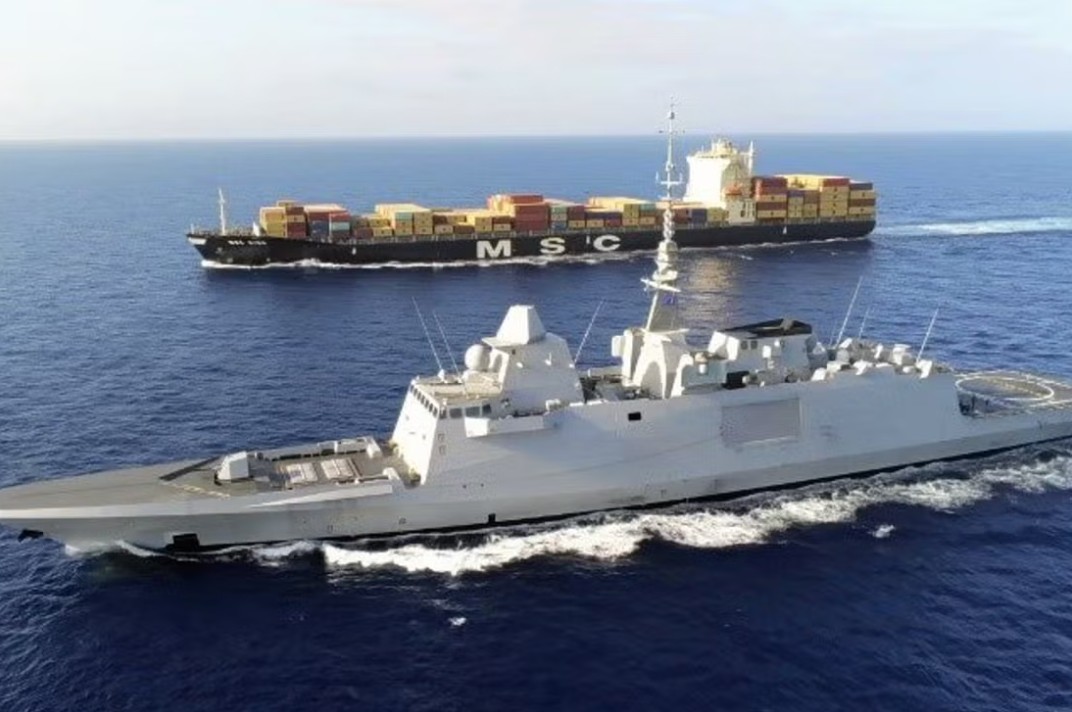
Commercial shipping across the Middle East has entered another acute phase of disruption as military escalation between the United States, Israel, and Iran reverberates through the Strait of Hormuz, the Persian Gulf, the Gulf of Oman, the Red Sea, and the Bab el-Mandeb Strait. The immediate operational response from global carriers has been swift and decisive, with widespread cancellations, suspensions of bookings, emergency rerouting, and the imposition of substantial conflict surcharges. For shippers moving cargo into or out of the region, the practical reality is clear, normal service patterns have been interrupted and uncertainty has returned to critical east west trade corridors.
The most consequential development centers on the Strait of Hormuz. Iran’s Revolutionary Guard has issued warnings advising that vessels should not transit the strait, prompting many ships to either halt movements, anchor, seek shelter, or reverse course entirely. Major container carriers including CMA CGM, Maersk, MSC, Hapag Lloyd, and COSCO Shipping Lines have implemented precautionary measures affecting dozens of vessels. CMA CGM ordered 14 vessels already inside the Persian Gulf and seven en route to proceed immediately to shelter. Maersk announced the rerouting of its ME11 and MECL services around southern Africa until further notice. COSCO has suspended sailings through the Strait of Hormuz and instructed Middle East bound vessels to slow down, remain in safe waters, or avoid entry altogether.
MSC has gone further by suspending all new bookings for worldwide cargo destined for the Middle East region. This step alone underscores the seriousness of the situation. When the world’s largest container carrier halts bookings across an entire region, it sends a strong signal to the market that operational risk is no longer manageable within standard parameters. Such cancellations and booking suspensions are not symbolic gestures, they materially remove capacity from affected trade lanes and disrupt supply chain planning for exporters and importers alike.
Simultaneously, the Red Sea corridor faces renewed threat. Tehran backed Houthi militants in Yemen have signaled the possibility of resuming missile and drone attacks on commercial shipping transiting the Bab el-Mandeb Strait. While no formal campaign has yet been announced, statements from Houthi officials suggest that attacks could restart at short notice. Most major carriers had already been avoiding the Red Sea and Suez Canal since late 2023 due to earlier Houthi attacks, forcing vessels to reroute around the Cape of Good Hope. Any renewed escalation effectively eliminates near term prospects of returning to the Suez route and reinforces the likelihood of continued diversions around southern Africa.
These diversions carry significant operational consequences. Rerouting via the Cape of Good Hope typically adds between 10 and 20 or more days to standard Asia Europe and Asia US East Coast transit times. The additional sailing distance increases fuel consumption, vessel operating costs, and schedule variability. The knock on effects extend well beyond ocean transit. Ports face bunching of arrivals, container imbalances intensify, and berth allocation delays become common. Transshipment hubs such as Singapore, Colombo, and Tanjung Pelepas are likely to experience elevated congestion as vessels adjust rotation patterns. European hinterland connections may also suffer as delayed arrivals disrupt rail and truck networks already operating on tight schedules.
Compounding maritime risk, the United States has established a maritime warning zone covering the Persian Gulf, Gulf of Oman, North Arabian Sea, and the Strait of Hormuz. The warning explicitly states that dangerous military operations are taking place and that the US Navy cannot guarantee the safety of neutral or merchant shipping. From a legal and insurance perspective, this designation materially elevates the risk profile of the region. Marine hull and war risk insurance premiums are already rising. Industry estimates suggest near term rate increases of 25 percent to 50 percent for Gulf transits, with the possibility of significantly higher adjustments should a direct attack on merchant shipping occur. Some vessels with business connections to the United States or Israel may even face withdrawal of insurance coverage under certain conditions.
On the ground, port operations are also under strain. Jebel Ali Port in Dubai temporarily suspended operations following a fire incident reportedly linked to debris from an intercepted drone. Duqm Port and Asyad Dry Dock in Oman have announced operational suspensions. Security has been heightened across Bahrain, Kuwait, Qatar, and additional UAE ports. While not all facilities are fully closed, the operational tempo is clearly constrained and subject to rapid change.
Commercially, carriers have moved quickly to protect their cost base. CMA CGM has implemented an emergency conflict surcharge of 2,000 dollars per TEU, 3,000 dollars per FEU, and 4,000 dollars for refrigerated containers and special equipment. Additional contingency surcharges are expected from other lines as rerouting costs, fuel consumption, insurance premiums, and security measures escalate. For shippers, this translates into immediate cost increases layered on top of already volatile freight markets.
The pattern unfolding today echoes previous disruption cycles observed during the COVID period and during the initial waves of Houthi attacks. Capacity withdrawals, elongated transit times, container shortages, congestion surcharges, and volatile spot rates tend to follow in sequence. Even if naval forces succeed in restoring a measure of security in the Persian Gulf within days, as some analysts anticipate, carriers will remain cautious. Large scale return to normal routing typically lags behind military stabilization because liner operators prioritize crew safety, asset protection, and schedule reliability over speed of resumption.
The scope of impact is broad. Countries directly affected include Iraq, Bahrain, Kuwait, Yemen, Qatar, Oman, the United Arab Emirates, the Kingdom of Saudi Arabia, Jordan, Egypt via Ain Sokhna, Djibouti, Sudan, and Eritrea. Cargo flows serving these origins and destinations face elevated uncertainty in both inbound and outbound directions. Exporters in the Gulf region may encounter vessel omissions, blank sailings, or port rotations being skipped entirely. Importers awaiting inbound cargo must prepare for schedule shifts and possible diversion to alternative discharge ports.
Against this backdrop, PNG is actively monitoring the situation across all affected trade lanes. We are in continuous contact with carriers including COSCO, Evergreen, Maersk, CMA CGM, Hapag Lloyd, and MSC to obtain the latest advisories and operational updates. Our teams are reviewing every booking and in transit shipment within the defined scope to assess exposure to rerouting, port suspension, or surcharge application. Where cancellations or diversions are confirmed, we will communicate promptly with customers regarding revised schedules, alternative routing options, and any additional charges imposed by carriers.
It is important to approach the current environment with clarity and discipline. Emotional reactions do not move cargo, proactive planning does. Shippers should review inventory buffers, evaluate alternative sourcing or distribution nodes where feasible, and anticipate longer lead times in the near term. Contracts and Incoterms should be revisited to understand cost allocation related to emergency surcharges and war risk premiums. Flexibility in delivery windows may prove critical in maintaining continuity of supply.
At the same time, history suggests that while disruptions can be severe, they are rarely permanent. Even in highly escalated geopolitical environments, commercial shipping eventually resumes under adapted security frameworks. The key for logistics partners and cargo owners is transparency, speed of communication, and disciplined execution during periods of instability.
PNG will continue to track military developments, maritime advisories, carrier announcements, and port status changes on a daily basis. As conditions evolve, we will provide updated guidance to ensure customers remain fully informed. The situation remains fluid, cancellations and reroutings are ongoing, and further operational adjustments are possible. Vigilance, adaptability, and clear communication will define successful navigation of this period of uncertainty.
View All News Articles