
Fuel Inflation Is Repricing Global Transportation
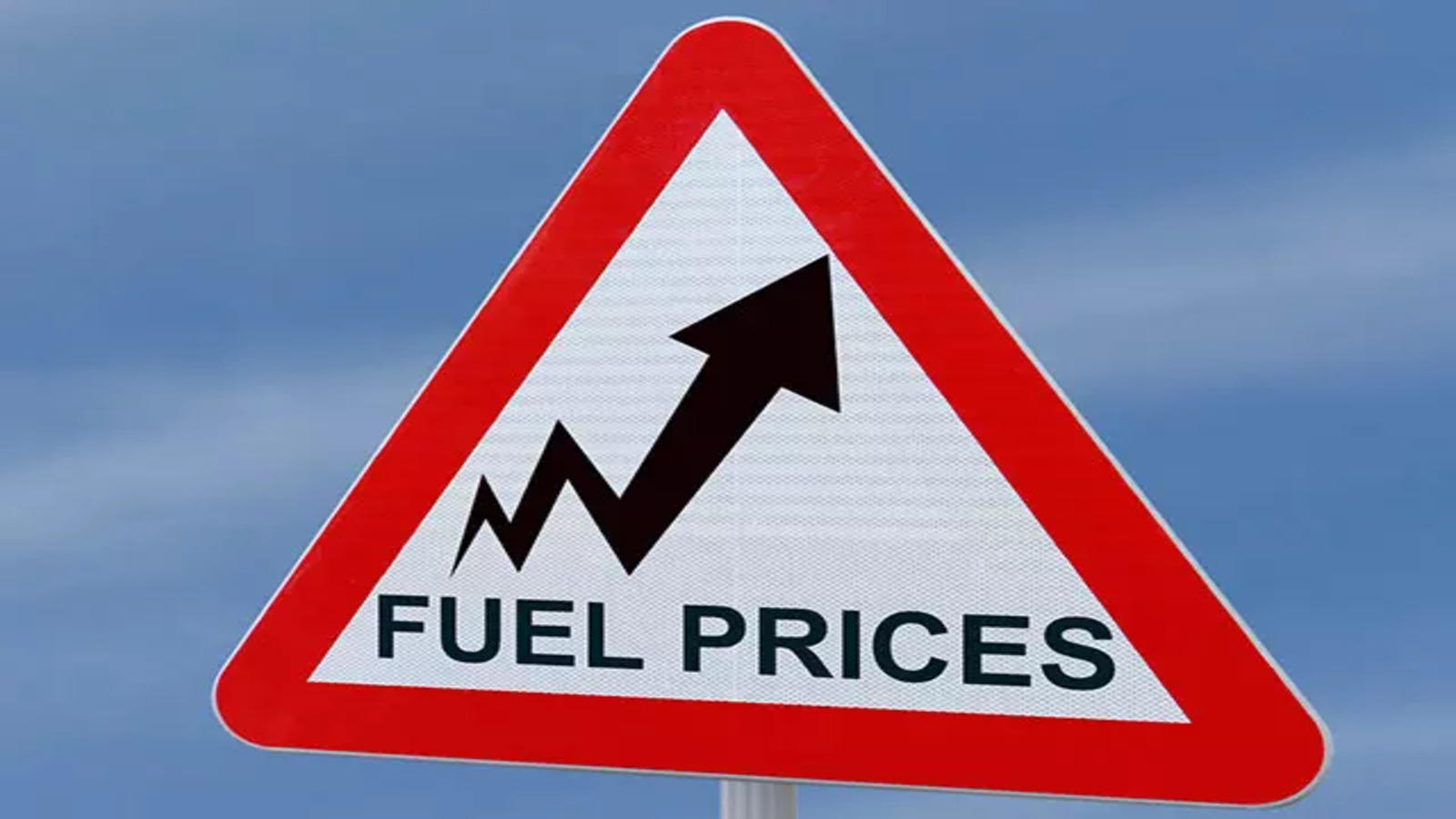
The fuel market has become the single most influential variable in global transportation pricing, creating a synchronized inflationary effect across ocean freight, less-than-truckload (LTL), and truckload transportation. What began as a regional geopolitical conflict has evolved into a global supply chain cost event. Unlike previous cycles where transportation modes reacted independently, today’s market is experiencing simultaneous upward pricing pressure across virtually every segment of freight transportation. The result is not simply higher fuel surcharges—it is a structural increase in total landed transportation costs that will likely persist well beyond the immediate geopolitical crisis.
The Strait of Hormuz has once again demonstrated its strategic importance to the global economy. Roughly one-fifth of the world’s oil and gas supply traditionally transits this narrow waterway, making any disruption an immediate catalyst for higher energy prices. As military activity intensified, bunker fuel prices reversed their brief decline and climbed sharply across the world’s major fueling ports. Ocean carriers responded quickly with emergency fuel surcharges, but these surcharges represent only the visible portion of a much larger cost equation.
Fuel is the largest variable operating expense for most transportation providers. When bunker fuel, diesel and marine gas oil experience double-digit increases within weeks, carriers must recover those costs almost immediately to preserve profitability. Unlike labor, equipment or overhead expenses, fuel cannot be absorbed for long periods without significantly impacting operating margins. Consequently, emergency fuel surcharges are no longer temporary pricing mechanisms; they have become strategic tools for protecting carrier financial performance during periods of volatility.
Major ocean carriers including CMA CGM, MSC, Maersk, ONE and Hapag-Lloyd have already implemented or expanded emergency fuel surcharges across multiple trade lanes. These increases come at a time when carriers were already attempting to restore freight rates after several years of depressed pricing caused by excess vessel capacity. Higher fuel costs therefore provide additional support for ocean rate increases, allowing carriers to recover both operating expenses and strengthen overall pricing discipline.
Importers should recognize that ocean freight invoices are increasingly composed of multiple pricing layers. Base freight rates are rising, emergency fuel surcharges have returned, inland fuel adjustments are expanding, and peak season surcharges continue to appear where capacity tightens. The cumulative effect is substantially greater than evaluating any individual surcharge in isolation.
The impact does not end at the port.
Domestic transportation throughout North America is experiencing many of the same dynamics. Diesel prices have increased dramatically since the Middle East conflict escalated, pushing LTL fuel surcharge programs to levels not experienced in several years. Fuel surcharge tables utilized by virtually every national and regional carrier adjust automatically as diesel prices increase, meaning transportation costs rise almost immediately without any renegotiation of contracts.
This distinction is particularly important for shippers. Many procurement teams focus heavily on negotiating lower base transportation rates while paying comparatively little attention to fuel surcharge programs. During stable energy markets that approach may produce acceptable results. During periods of significant fuel inflation, however, the fuel surcharge can become the fastest-growing component of the transportation invoice, reducing much of the value created through aggressive base-rate negotiations.
The current LTL market illustrates this perfectly.
National carriers continue reporting contract renewals in the mid- to high-single digits, while several carriers have implemented general rate increases exceeding 6%. On paper these increases appear manageable. However, once fuel surcharge escalation is included, the effective transportation cost increase experienced by many shippers moves into the double digits. Revenue per shipment has increased substantially more than base yields alone would suggest because fuel is contributing an additional layer of pricing growth.
This environment is creating stronger financial performance for disciplined LTL carriers. Years of capacity rationalization, improved network density and disciplined pricing have positioned carriers to recover rising costs without sacrificing profitability. Unlike previous freight recessions, carriers appear far more willing to walk away from unprofitable freight rather than chase market share through discounting. That represents a fundamental shift in industry behavior.
Truckload transportation is following a similar trajectory.
After several years of depressed pricing caused by excess capacity, the truckload market has entered a broad repricing cycle. Spot market rates have moved above many existing contract rates, giving carriers significantly greater leverage during bid renewals. As contracts reset, many are being renewed with double-digit percentage increases, reflecting both higher operating costs and improved market fundamentals.
Unlike previous freight recoveries that were driven primarily by surging demand, today’s pricing recovery is largely supply-driven. Thousands of small carriers exited the market during the prolonged freight downturn, reducing available capacity. When demand began improving modestly, the remaining carriers found themselves operating in a healthier balance between supply and freight volumes. Rising fuel prices accelerated this transition by increasing operating costs for every carrier simultaneously.
An interesting secondary effect is beginning to emerge between transportation modes.
As truckload pricing increases, some shipments naturally migrate into LTL networks where economically feasible. These “bubble shipments” create additional demand for LTL capacity, further strengthening pricing discipline among LTL carriers. While there are practical limits to this migration, it nevertheless contributes additional pressure to an already tightening market. Rather than competing independently, truckload and LTL markets are increasingly influencing one another.
For transportation executives, the strategic implication is clear: transportation budgeting can no longer be developed by evaluating each mode independently. Ocean, truckload and LTL pricing are now interconnected through the common variable of energy costs. A sustained increase in crude oil prices simultaneously affects bunker fuel, diesel, linehaul costs, port drayage, rail intermodal operations and ultimately final-mile distribution.
This also changes procurement strategy.
Organizations that focus exclusively on negotiating freight rates while ignoring fuel surcharge methodology risk understating their future transportation costs. Equal attention should be devoted to understanding surcharge tables, trigger points, discount structures and fuel index calculations. In many cases, improving the fuel surcharge program may generate greater long-term savings than negotiating an additional percentage point off the base transportation rate.
Carrier relationships become equally important during periods like this. Providers with strong financial performance, disciplined pricing strategies and sufficient network density are better positioned to maintain service levels despite cost inflation. Conversely, financially weaker carriers often struggle to absorb fuel volatility, creating operational risk for shippers dependent upon the lowest-cost provider.
Looking ahead, the industry faces two competing forces. On one side, vessel deliveries continue to increase globally, creating the potential for significant excess ocean capacity. Under normal circumstances, this would place downward pressure on freight rates. On the other side, geopolitical instability, elevated fuel prices, network disruptions and stronger carrier pricing discipline are offsetting much of that downward pressure. The result is a market where structural overcapacity does not necessarily translate into lower transportation costs.
For domestic transportation, the outlook remains similarly constructive for carriers. Capacity remains significantly healthier than two years ago, diesel prices continue supporting elevated fuel surcharges, and contract repricing is still working its way through the market. Unless energy prices retreat materially or freight demand weakens substantially, carriers are likely to preserve much of the pricing momentum established during 2026.
The broader lesson extends beyond transportation. Supply chain resilience is no longer measured solely by inventory levels or network diversification. It increasingly depends on an organization’s ability to anticipate macroeconomic and geopolitical events that ripple through every component of the logistics ecosystem. Fuel has become the common denominator connecting ocean freight, truckload, LTL, rail and distribution. Companies that recognize these relationships early—and incorporate them into procurement, budgeting and sourcing decisions—will be better positioned to manage costs and protect service performance in an increasingly volatile global transportation market.
View All News Articles